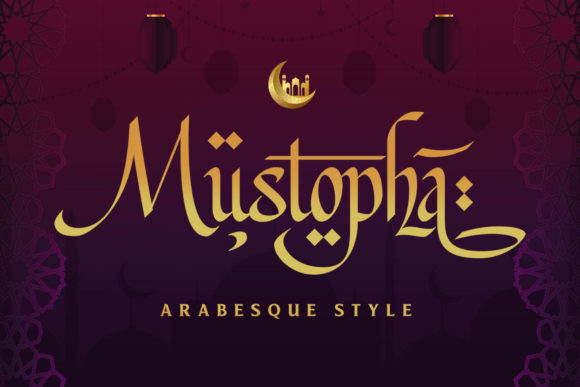
Mustopha Font: Elegant Arabic Display Type for Business Branding
Elevating Restaurant Menus with Mustopha Display Fonts
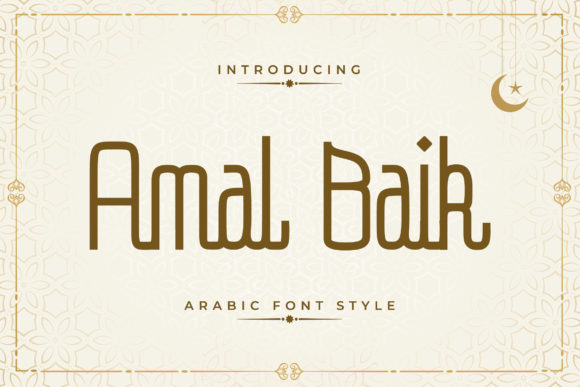
When designing a food menu, poster flyer, or print collateral for a hospitality business, Mustopha is an incredibly unique and elegant, Arabic inspired display font that immediately signals quality and authenticity. As a café owner or restaurateur, you know that your menu is often the first tangible interaction a customer has with your brand's personality. Using generic system fonts can make even the most exquisite dishes feel ordinary, but integrating Mustopha into your headers and section titles creates a visual experience that matches the care put into your cuisine. This typeface carries a cultural richness and artistic flair that works exceptionally well for Mediterranean, Middle Eastern, or fusion dining concepts where atmosphere is just as important as flavor.
The practical application of this font in a dining setting goes beyond simple aesthetics; it guides the customer’s eye through your offerings. Because Mustopha functions as a distinct display style, it naturally creates hierarchy on a crowded page. You might use it for the "Appetizers" or "Signature Cocktails" headings while keeping body text in a clean sans serif for maximum legibility in dim lighting. This strategic contrast ensures that your menu remains functional while achieving a high-end boutique look. For small business owners printing physical menus, the intricate details of this Arabic inspired typeface reproduce beautifully on textured paper stock, adding a tactile dimension to your branding that digital-only competitors cannot replicate.
Mustopha for Artisan Product Packaging and Labels
For handmade sellers and boutique product creators, applying Mustopha to packaging design and product labels transforms standard inventory into premium shelf-ready goods. In the crowded marketplace of artisan candles, organic skincare, or specialty teas, your label needs to communicate value before a customer ever reads the ingredients list. The elegant curves and distinctive character shapes of this display font suggest craftsmanship and heritage, making it an ideal choice for brands that want to emphasize tradition, natural origins, or luxury. When I redesigned my own product line, switching from a standard script to a culturally rich display typeface like Mustopha helped differentiate my items from mass-produced alternatives instantly.
However, readability on small surfaces is a critical consideration for entrepreneurs using decorative fonts. While Mustopha is stunning at larger sizes, testing is essential when scaling down for 2-inch jar labels or hang tags. I recommend using this typeface strictly for the brand name or product title on packaging, ensuring there is ample white space around the letterforms to prevent visual clutter. Pairing it with a minimalist sans serif for regulatory text and volume information maintains compliance and clarity without sacrificing style. Always verify your commercial font licensing before printing thousands of units to ensure your usage on merchandise and retail packaging aligns with the designer’s terms, protecting your business from future legal complications.
Creating Cohesive Social Media Graphics with Mustopha Fonts
Digital marketing requires consistency, and incorporating Mustopha into your Instagram posts, Pinterest graphics, and website banners helps establish a recognizable visual identity across platforms. Small business owners often struggle to maintain a professional aesthetic when creating content quickly, but having a go-to display font streamlines the design process. The unique personality of this Arabic inspired typeface acts as a visual anchor; when followers see those distinctive letterforms in their feed, they begin to associate that specific style with your brand, even before reading your handle. This recognition is invaluable for building trust and loyalty in a fast-scrolling digital environment.
When using Mustopha for social media, consider how it interacts with photography and background textures. Its elegant structure pairs beautifully with warm, earthy tones and organic imagery, reinforcing the mood of wellness, culinary arts, or creative lifestyle brands. For promotional flyers announcing a sale or new collection, this font commands attention without feeling aggressive. It strikes a balance between ornamental and readable that many other decorative fonts miss. Just remember that accessibility matters online; always ensure sufficient contrast between the Mustopha headline and the background color so that users with visual impairments can still engage with your content effectively.
Strategic Font Pairing for Professional Brand Identity
Achieving a polished brand identity requires understanding how to pair Mustopha with complementary typefaces to create a balanced typographic system. As a display font, Mustopha is the star of the show, meaning it should never compete with other decorative elements in your layout. The most successful small business branding uses this font for high-impact moments—logos, main headlines, and hero images—while relying on neutral workhorse fonts for everything else. A clean geometric sans serif provides a modern counterpoint that lets the Arabic-inspired details shine, whereas a classic serif can enhance the traditional, heritage feel if that better suits your niche.
Testing these combinations in real-world scenarios is non-negotiable for entrepreneurs. Before committing to a full rebrand, create mockups of your business cards, email signatures, and website headers using Mustopha alongside potential pairing candidates. View these designs on mobile devices, printed proofs, and different monitors to assess versatility. Does the elegance hold up when scaled down for a favicon? Does it feel appropriate for a thank-you card insert? These practical checks prevent costly redesigns later. Furthermore, exploring the endless possibilities of this typeface means experimenting with spacing and alignment; sometimes increasing the tracking (letter-spacing) slightly can improve readability and add a contemporary touch to the traditional forms.
Licensing and Commercial Use of Mustopha Display Typefaces
Protecting your business starts with proper licensing, so always review the specific terms for Mustopha before deploying it across commercial touchpoints like client work, templates, or digital downloads. Many entrepreneurs mistakenly assume that purchasing a font grants unlimited rights, but display fonts often have tiered licensing based on usage, such as web views, app installations, or merchandise sales. Understanding these distinctions prevents unexpected fees and ensures your brand assets are legally secure. If you plan to use this Arabic inspired display font in a logo that will be trademarked, verify that the license explicitly permits trademark registration, as some standard desktop licenses exclude this right.
Beyond legality, respecting font licensing supports the independent designers who create these valuable tools for our businesses. When we invest properly in premium fonts like Mustopha, we contribute to a sustainable creative ecosystem that continues to produce unique, high-quality resources. For small business owners, this ethical approach also resonates with customers who value integrity and fair trade. By treating typography as a legitimate business investment rather than a disposable commodity, you elevate not only your visual presentation but also your operational professionalism. Whether you are designing a wedding invitation suite or a restaurant facade, the confidence that comes from knowing your assets are properly licensed allows you to focus entirely on growing your brand and serving your community.